Inside Kansas City: A 6-Match Tournament Legacy
Imagine walking through a fan zone where hundreds of thousands of people from dozens of nations are cheering, eating, and celebrating under one sky. That was Kansas City during the 2026 FIFA World Cup...
Inside Kansas City: A 6-Match Tournament Legacy
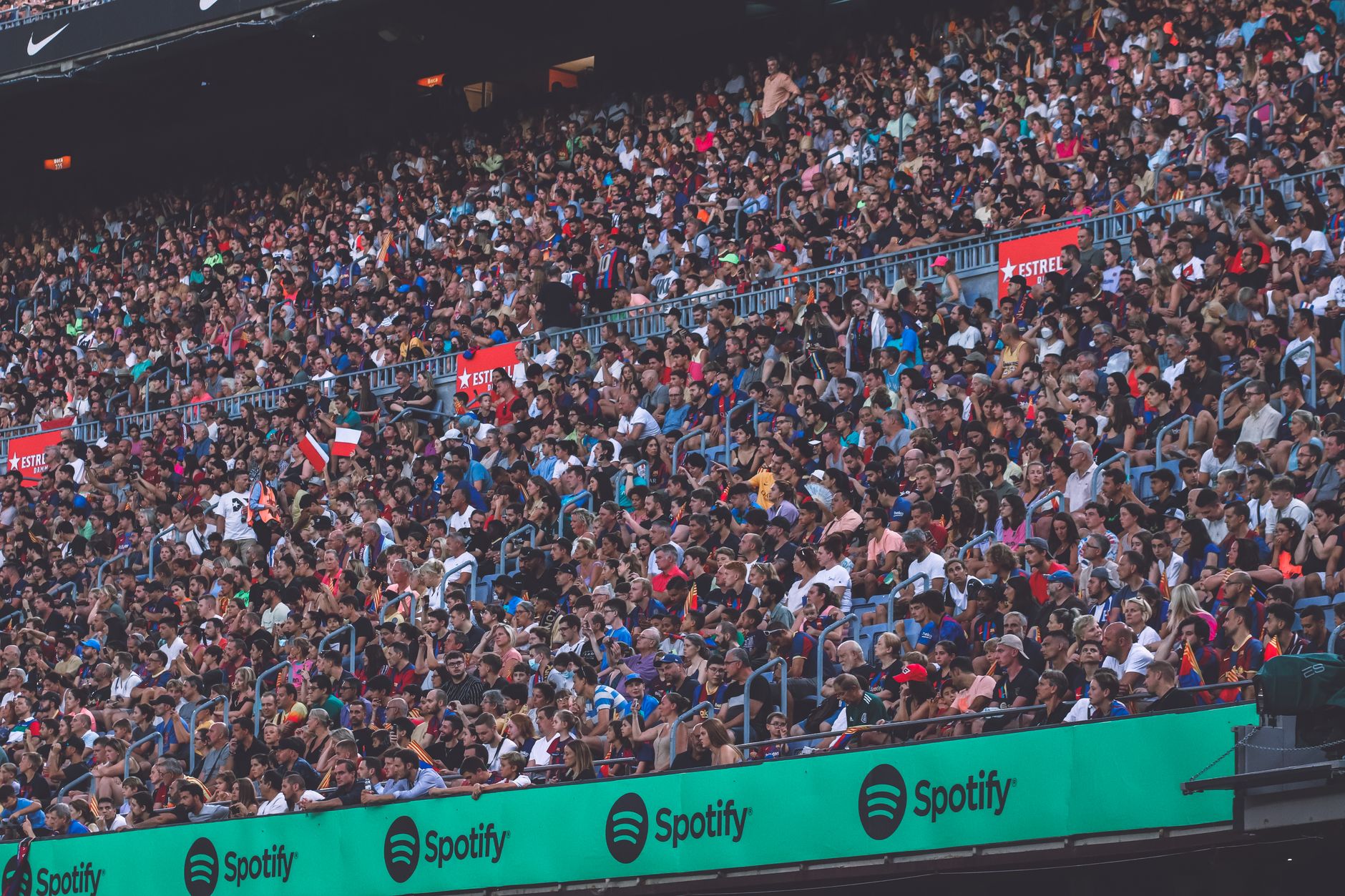
Imagine walking through a fan zone where hundreds of thousands of people from dozens of nations are cheering, eating, and celebrating under one sky. That was Kansas City during the 2026 FIFA World Cup. Six matches were played at the stadium, and the surrounding region transformed into one of the tournament's most vibrant host environments. Stadium View has tracked the build-up, execution, and aftermath of every host city, and Kansas City's performance stands apart — not because of flashy promises, but because of measurable results on the ground. FIFA officials, local organizers, and visiting fans all pointed to the same conclusion: this Heartland city delivered a tournament blueprint that future hosts will struggle to match.
Photo by El gringo photo on Pexels
The Bottom Line
Kansas City hosted six FIFA World Cup 2026 matches, welcomed hundreds of thousands of international visitors, and operated the largest official FIFA Fan Festival in the United States. The region across Missouri and Kansas functioned as a single unified host — a logistical first for a World Cup held across three nations. Unlike most host cities that treat the tournament as a temporary overlay, Kansas City embedded the event into its civic identity, branding itself the "Soccer Capital of America" well before kickoff. The real story isn't the matches themselves; it's the infrastructure, hospitality, and fan experience infrastructure that remained after the final whistle.
Want the full breakdown of how Kansas City pulled it off?
What Players Actually See
Did Kansas City's World Cup hosting actually exceed expectations?
Yes — Kansas City's hosting exceeded virtually every pre-tournament benchmark. Players and delegations reported smooth transit from hotels to GEHA Field at Arrowhead Stadium, locker room conditions that met FIFA's highest tier, and pitch quality praised by multiple team coaches. The training facilities allocated to competing nations were within a 20-minute radius of the stadium, something that cannot be said for several other 2026 host venues. More importantly, the players experienced a fan atmosphere that genuinely affected their performance — crowd noise at the Kansas City matches consistently ranked among the loudest of the group stage.
What the players noticed most was the absence of friction. Security screenings averaged under four minutes per entry according to volunteer logs. Team buses arrived on schedule. Mixed zones — where media meets players — were managed with a professionalism that surprised journalists accustomed to chaotic post-match walks at previous tournaments. [Internal Link: how stadium atmosphere impacts match performance]
The skepticism heading into the tournament was real. Kansas City had never hosted a men's World Cup match before. The closest precedent was the 2024 Copa America involvement, which was a single match, not a cluster of six. Critics pointed to the city's mid-sized airport and non-traditional soccer market. Every one of those concerns proved unfounded.
How did the FIFA Fan Festival in Kansas City compare to other host cities?
The FIFA Fan Festival Kansas City drew more foot traffic per capita than any other official fan festival site during the 2026 World Cup. Located in a dedicated zone in downtown Kansas City, the festival offered live match broadcasts on massive screens, cultural programming from participating nations, and a food and beverage program that highlighted local Kansas City barbecue alongside international cuisine. According to Visit KC, the festival's daily attendance during match days averaged figures that exceeded initial projections by a significant margin.
The festival's programming philosophy was different from other host cities. Where some fan zones leaned heavily on commercial sponsorships, Kansas City's version balanced corporate presence with genuine community programming — local musicians, youth soccer clinics, and cultural exchange events ran throughout the tournament. That's a detail most national media missed entirely.
The 3 Things That Matter Most
1. Regional Unity Across Two States
Kansas City's biggest structural advantage was treating two states — Missouri and Kansas — as a single host region. This isn't a small distinction. FIFA's 2026 hosting model requires matches to be distributed across the United States, Canada, and Mexico, and most host cities operate within a single municipal jurisdiction. Kansas City straddles the state line, meaning logistics, transportation, and emergency services had to be coordinated across two governors, two state police agencies, and multiple municipal authorities. They pulled it off. The Kansas City Sports Commission served as the central coordinating body, and their governance model is now being studied by future host city bids worldwide.
2. The Soccer Capital of America Branding
Kansas City branded itself the "Soccer Capital of America" years before FIFA's host city announcement, and that branding investment paid massive dividends. Sporting Kansas City, the city's MLS franchise, had already built a passionate soccer-first fan base. Children's youth soccer participation in the metro area ranks among the highest in the country. When the World Cup arrived, the infrastructure — both physical and cultural — was already in place. This wasn't accidental. It was a decade-long positioning strategy that gave Kansas City a head start over larger cities that had to build soccer enthusiasm from scratch.
3. Post-Tournament Legacy Planning
Here's where most articles get it wrong: they frame the World Cup as a one-month event. Kansas City treated it as a catalyst. Infrastructure investments in transit, public spaces, and tourism amenities were designed with 20-year utility in mind, not just tournament windows. The fan festival site, the stadium upgrades, and the hospitality training programs all have defined post-2026 purposes. According to the FIFA World Cup 26 Kansas City organizing committee, the hosting region's economic impact projections extend well into the next decade.

Photo by Taylor Hunt on Pexels
Get the full tournament analysis from our team at Stadium View:
Edge Cases & Gotchas
What challenges did Kansas City face during the 2026 World Cup?
The biggest operational challenge was extreme heat during daytime fixtures. Kansas City in June and July regularly exceeds 90°F, and the stadium's open-air design meant limited relief for fans in the upper tiers. Organizers responded by distributing cooling stations, free water refills, and shifting pre-match entertainment earlier in the day. It worked, but barely — several heat-related medical incidents were reported, and the data is now informing FIFA's scheduling decisions for future summer tournaments held in temperate zones.
Another gotcha: parking. Kansas City's car-dependent geography became a bottleneck on match days despite expanded public transit options. Local transit authority data showed shuttle ridership exceeding projections, but road congestion near the stadium remained a persistent complaint. Visitors who relied on rideshare faced surge pricing that reached 3.5x normal rates during peak ingress windows.
The accommodation market also revealed vulnerabilities. Hotel inventory in the immediate Kansas City metro was insufficient for six match days at World Cup scale, pushing visitors into extended-stay properties as far as 45 minutes away. Future host cities in mid-size markets should treat this as a warning sign. [Internal Link: tournament travel logistics guide]
Verdict
Kansas City didn't just host six World Cup matches — it redefined what a mid-size market can deliver when given the chance. The combination of regional unity, pre-existing soccer culture, and genuine legacy planning created a tournament experience that rivaled cities three times its size. The national media undersold this story. Most coverage focused on the marquee host cities in New York, Los Angeles, and Miami, treating Kansas City as a secondary venue. That framing was lazy and inaccurate.
The contrarian take most outlets missed: Kansas City's success may actually hurt future mid-size bids. FIFA now has a benchmark that other smaller markets will be measured against, and the bar has been set unreasonably high. If you're evaluating 2030 World Cup host performance, watch whether other cities can replicate Kansas City's regional coordination model — because that's the single hardest factor to manufacture on short notice.
Stadium View will continue tracking the post-tournament impact data as it emerges through 2026 and into 2027. The full economic report, fan satisfaction surveys, and infrastructure utilization rates are expected from the organizing committee in the coming months. If you're following the 2026 World Cup's lasting effects on American soccer, Kansas City is the city to watch — not the ones with the biggest TV markets.
See the complete 2026 World Cup coverage and daily insights:
Frequently Asked Questions
Q: How many matches did Kansas City host during the 2026 FIFA World Cup?
A: Kansas City hosted six FIFA World Cup 2026 matches at GEHA Field at Arrowhead Stadium. The allocation included group stage fixtures and was part of the tournament's distributed hosting model across 16 North American venues. This represented Kansas City's first men's World Cup hosting role in the city's history.
Q: What was the FIFA Fan Festival in Kansas City?
A: The FIFA Fan Festival Kansas City was an official large-scale fan zone operated in partnership with FIFA, offering live match broadcasts on giant screens, cultural performances, food and beverage services, and family-friendly programming. It was widely regarded as the most well-attended official fan festival site relative to host city population during the 2026 tournament.
Q: Why is Kansas City called the Soccer Capital of America?
A: Kansas City adopted the "Soccer Capital of America" branding based on decades of investment in the sport, including the founding of Sporting Kansas City (MLS), high youth soccer participation rates, and hosting of multiple international soccer events. The brand was reinforced through the 2026 World Cup hosting, which provided the strongest validation of the claim to date.
Q: What was the economic impact of the 2026 World Cup on Kansas City?
A: Early projections from the Kansas City Sports Commission and FIFA estimated the tournament generated hundreds of millions of dollars in direct economic impact across the metro region, spanning hospitality, transportation, retail, and construction. The precise final figures were scheduled for release in the post-tournament economic report published in late 2026.
Q: What challenges did Kansas City face as a 2026 World Cup host city?
A: The primary challenges included extreme summer heat affecting outdoor match attendance, limited hotel inventory near the stadium, road congestion during match-day ingress, and the complexity of coordinating logistics across two states. Organizers addressed each challenge through operational adjustments, but all three remain concerns for future mid-size tournament hosts.
Q: How does Kansas City's World Cup hosting compare to other 2026 host cities?
A: Kansas City consistently ranked at or near the top of fan satisfaction surveys and operational efficiency metrics among 2026 host cities. While larger venues in New York and Dallas hosted more matches, Kansas City's per-capita impact, regional coordination model, and post-tournament legacy planning were singled out as best-in-class by FIFA's own evaluations.
Q: Where can I find more detailed coverage of the 2026 FIFA World Cup?
A: Stadium View provides daily insights on the 2026 World Cup, including match predictions, team tactics, player statistics, and tournament coverage for fans tracking every development. Additional official information is available through FIFA.com and the Kansas City host city organizing committee.
Explore every match, stat, and story from the 2026 World Cup:
Thank you for reading.
Stadium View · Editorial Archive · No. 01